Late September Field Advisory for Autumn Travelers
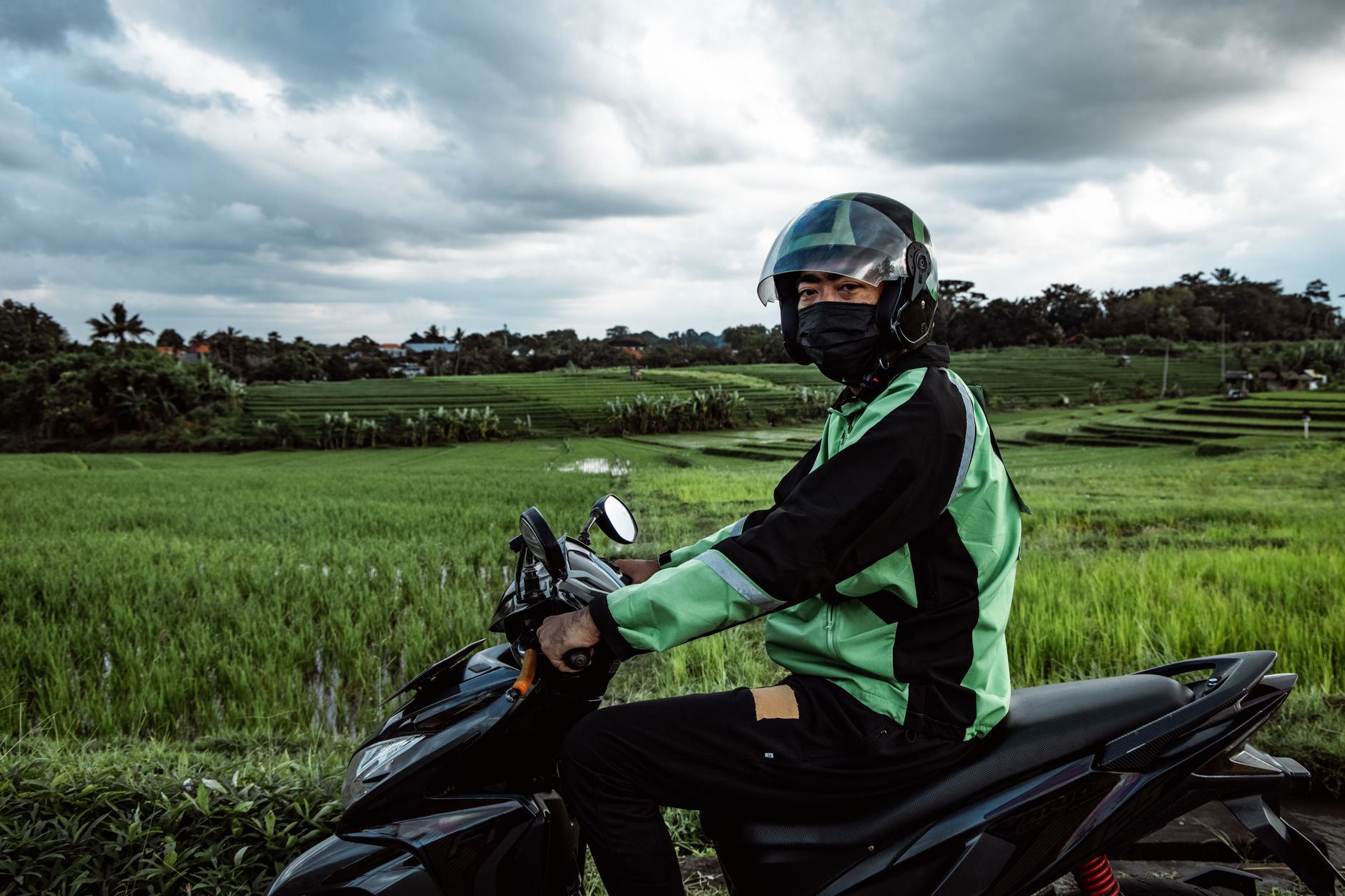
As Bali transitions into the Q4 travel season, two immediate compliance protocols are active across the island: (1) Tourist Tax Spot-Checks: Joint inspection teams are conducting random digital QR audits at Tegallalang, Jatiluwih, and Ngurah Rai arrivals; carry your Love Bali receipt screenshot offline. (2) Traffic Police Enforcement: Mobile patrols across Gianyar and Ubud are strictly checking for the mandatory 1949 IDP motorcycle endorsement on foreign scooter riders. Ensure you review the full dispatches below before departing.
Current Dispatches & Investigative Reports


Late September & Q4 Travel Outlook: What to Expect On the Ground
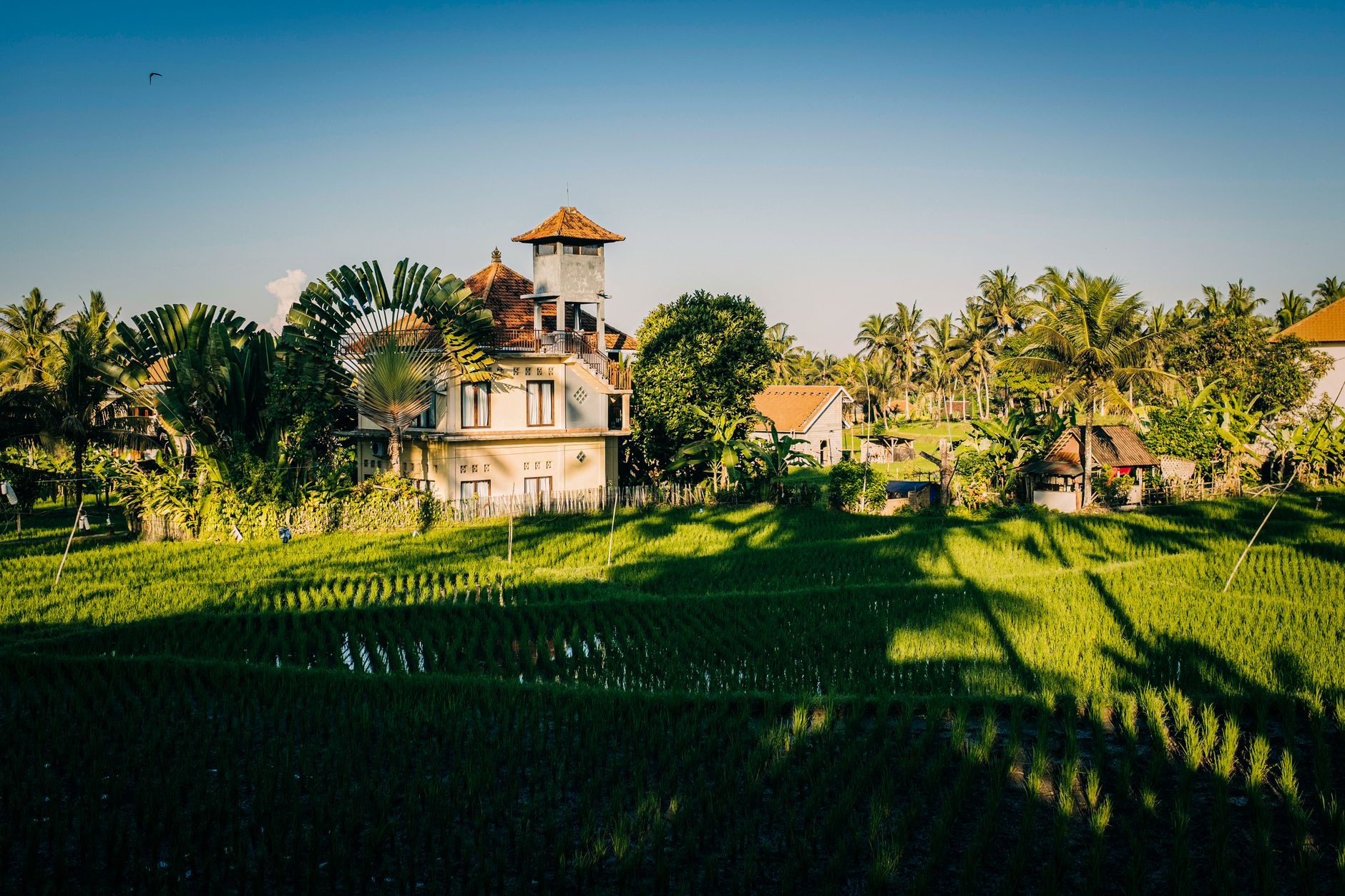
The final quarter of represents a dynamic transitional window across the island of Bali. As the peak dry-season European and Australian summer crowds taper off through late September, visitor density drops by approximately 25% to 30%, making October and November exceptionally rewarding months for travelers seeking relaxed agricultural exploration.
Crowds & Accommodation
Boutique eco-resorts and luxury villas overlooking Tegallalang and Sidemen offer shoulder-season tariffs 15% to 25% below August peaks. Booking 2 to 3 weeks in advance provides ample availability before the late-December holiday rush begins.
Agricultural Landscapes
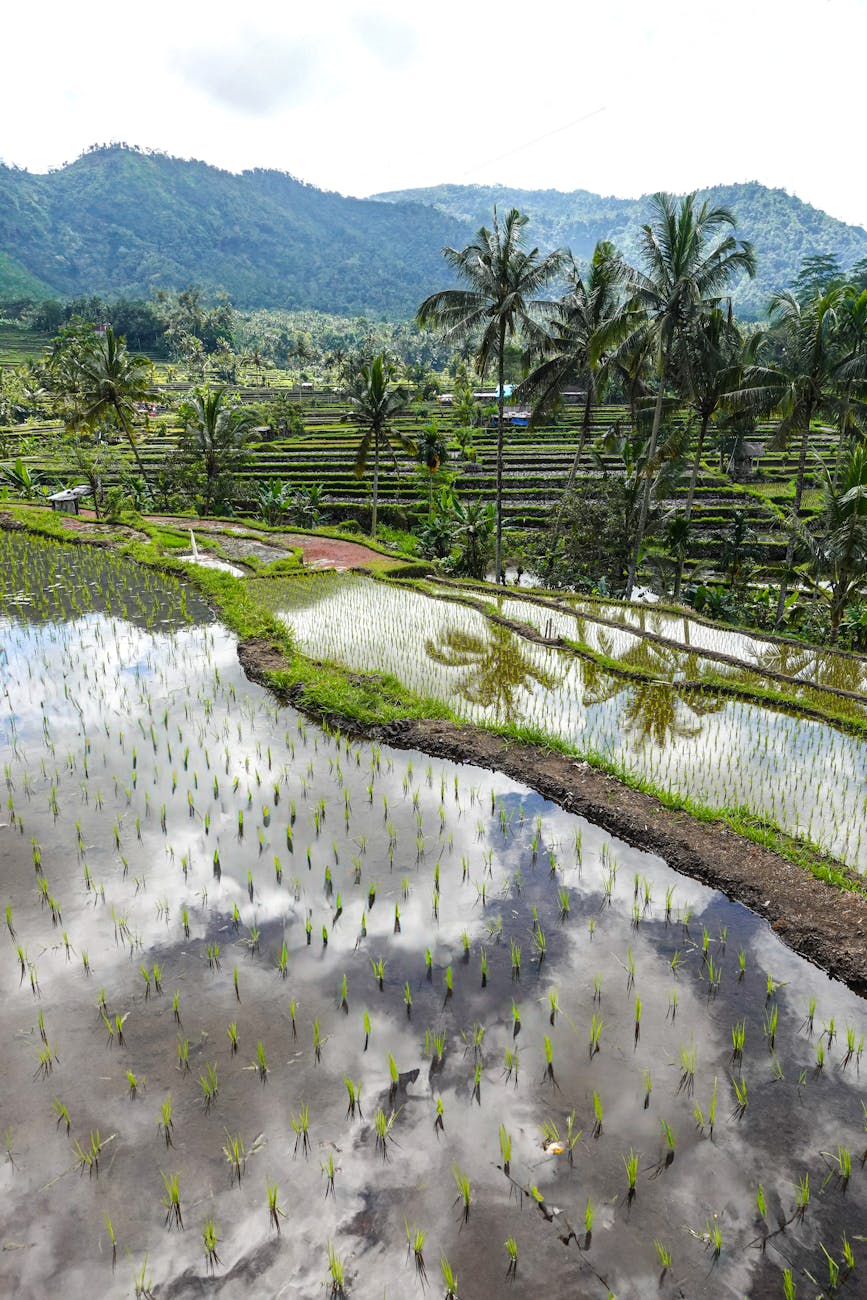
Terraces are actively transforming. October brings mirror-like sky reflections as Subak canals flood the paddies, while November ushers in lively neon-green tillering that carpets entire volcanic valleys in brilliant emerald by December.
Weather & Rain Rhythm
Do not fear tropical monsoons during October. Morning hours (06:00 to 12:30) consistently feature 80%+ sunshine with clear mountain visibility. Localized afternoon showers rarely exceed 45 minutes and leave evening skies clear and cool.
Ubud Rice Terrace, Monkey Forest & Waterfall Private Tour
Experience Tegallalang's water mirrors, sacred monkey sanctuary, and canyon waterfalls in private AC comfort.
Editorial Charter & Ground-Truth Verification
All field bulletins published by baliriceterraces.info are corroborated through primary official registries, including the Bali Provincial Tourism Office (Dispar), the Regional Traffic Police Corps (Polda Bali), customary village assemblies (Desa Adat), and registered Subak irrigation councils. We do not publish speculative rumors or unverified AI content.
Call 112 (National Emergency Line)
lovebali.baliprov.go.id
Call +62 361 2091030
Subak Water Ethics, Footwear & Cash Budgeting
Smart logistics determine how smoothly you experience Bali's stepped farming basins. Most municipal entrance gates and rural village paths run almost entirely on Indonesian Rupiah cash. While main ticketing offices at DTW Jatiluwih increasingly accept QRIS digital transfers, smallholder footbridges across Tegallalang ravines still rely on physical drop-boxes collecting IDR 10,000 to IDR 20,000 per crossing. Pack crisp IDR 5,000, IDR 10,000, and IDR 50,000 notes before leaving southern resorts so you never delay at checkpoints.
Footwear matters equally across working irrigation networks. Earthen terrace bunds (punggukan) measure just 30 to 50 centimeters wide above flooded mud fields, while mossy stone stairs around Munduk become slick right after midday mountain mist. Wear closed-toe trainers with sturdy rubber tread rather than foam flip-flops, watch your step on remote trails such as Jatiluwih's White Loop for farm dogs or sunning pit vipers, and never step inside flooded rice seedbeds.
Budget-conscious visitors can also pair paid landmarks like Tegallalang with zero-ticket walks through Sidemen Valley trails, Ubud's Jalan Kajeng, and morning lookouts at Bukit Cinta. Skipping high-minimum-spend cliff clubs in favor of family-owned warungs keeps daily dining affordable while booking a vetted private car charter avoids Red Zone taxi disputes.