Get the straight facts on Bali visas, the six-month passport rule, water safety, local cash budgets, and the emerald harvesting seasons.
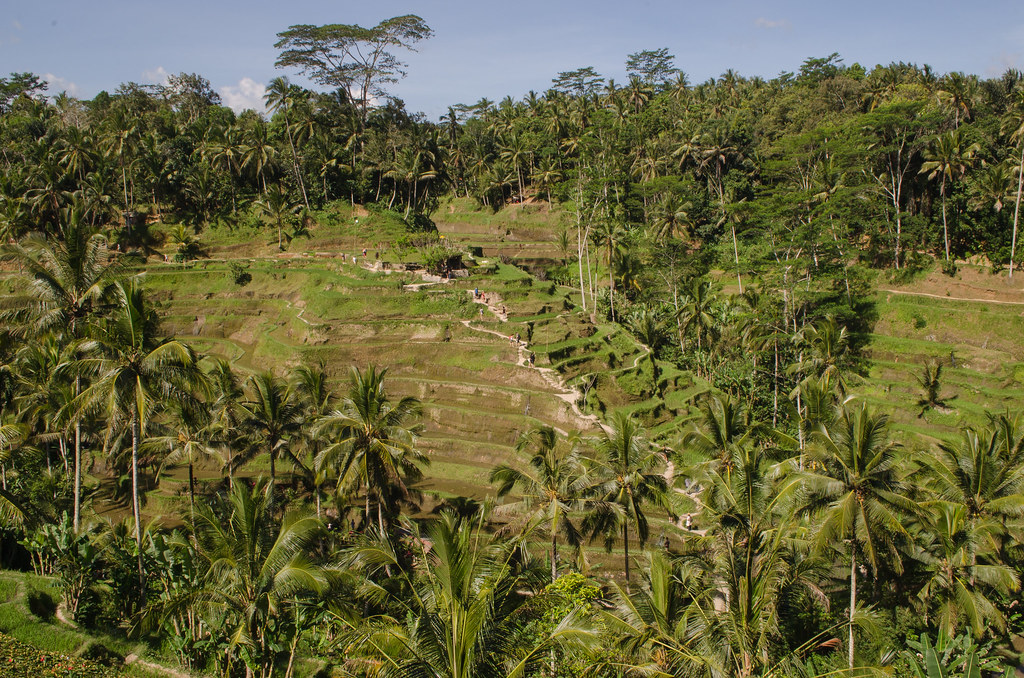
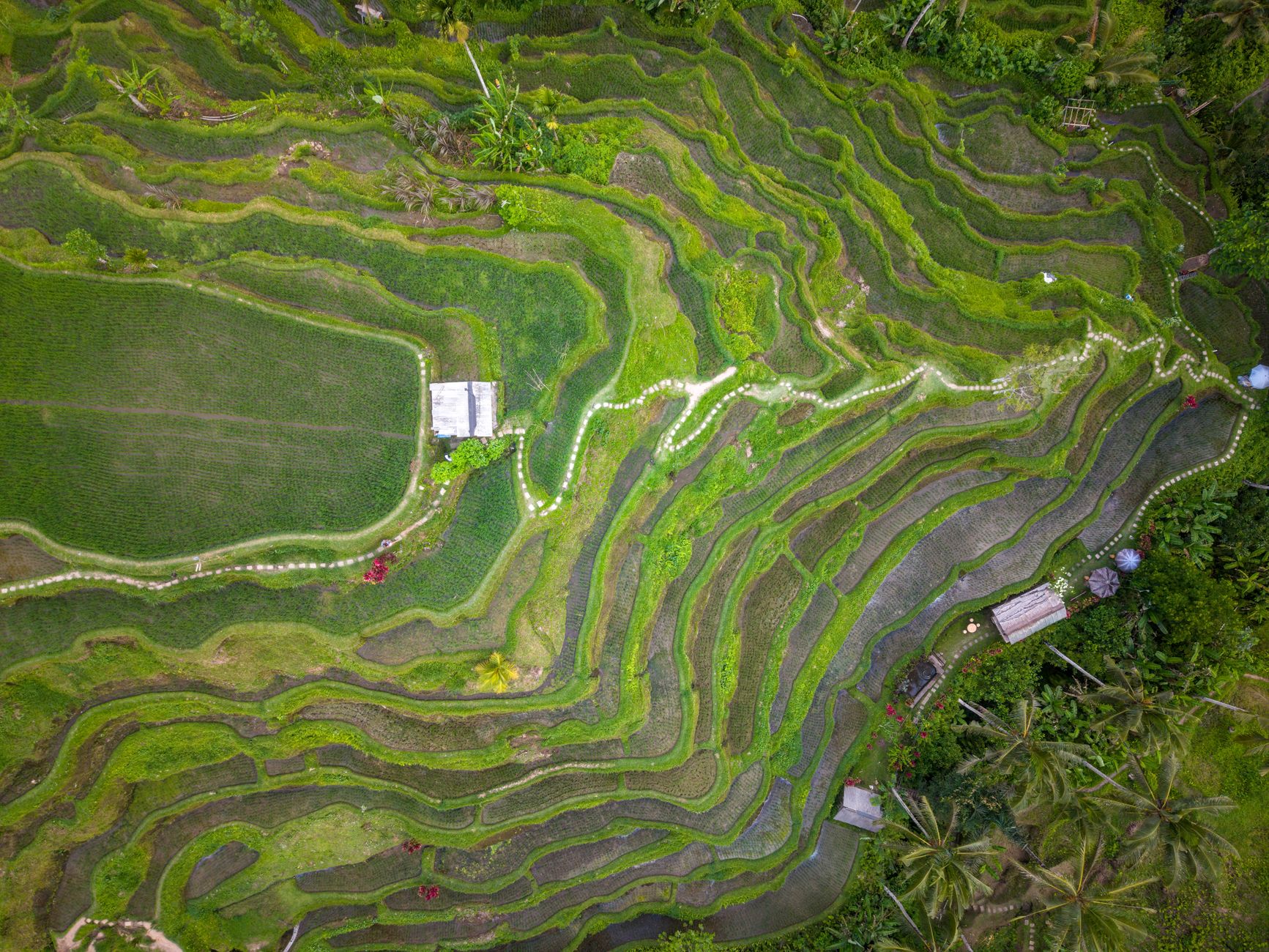
Understanding the crop cycles is vital for planning your visit. Under the traditional Subak system, paddies are harvested and replanted three times a year. This means the fields change color dynamically depending on the month you arrive.
If you visit from **April to September** (the tropical dry season), you will experience clear blue skies and terraces painted in brilliant emerald green. This is the peak growth phase, offering spectacular vistas. By **October and November**, the fields turn into a heavy golden sea as the rice ears ripen, which is a magical sight. Right after the harvest, the fields are flooded and turned into muddy mirrors, reflecting the misty volcanic peaks beautifully.
The rainy season runs from **December to March**. The paths get muddy and slippery, but the crop growth is incredibly rapid and lush, making the green look exceptionally deep and rich.
Real, vetted expat answers to the most common questions travelers search for before arriving in Bali.
Most travelers need a **Visa on Arrival (VOA)**, which costs 500,000 IDR (~$31.25 USD). You can purchase it online in advance or right at the DPS airport checkpoint. It is valid for thirty days and can be extended once.
⚠️ The 6-Month Rule: Your passport MUST have at least six months of validity remaining from the day you land in Bali. Indonesian customs are incredibly strict about this. Airlines will refuse to let you board your flight if you fail this requirement. Check your expiry date before booking.
For a solo traveler or couple, **$1000 USD (~16,000,000 IDR)** is heaps of money for a week. It will easily cover a private villa, daily private car hire, high-quality organic meals, and temple entries. If you book luxury five-star canopy resorts or high-end beach clubs, your budget can disappear very quickly.
In local terms, **$100 USD (~1,600,000 IDR)** is a lot of money. To put it in perspective, it will buy you over eighty plates of fresh local *nasi campur* at a village warung or cover two full days of private driver transfers, including petrol and parking fees.
Wear light, breathable clothes and mud-friendly walking shoes. The clay paths are steep, uneven, and get very slippery after rain. Avoid wearing white trainers if you plan to descend deep into the valley.
**Can I wear red?** Bloody oath, you can! Wearing bright red, yellow, or white dresses creates a spectacular visual contrast against the deep emerald green terraces, making your Instagram or WeChat photos look incredibly premium. **Black clothes** are perfectly fine to wear, but they absorb the tropical heat very quickly, making a mid-morning climb heavy.
Do not swallow local tap water! Using it to rinse your toothbrush is generally fine for most travelers, but strictly stick to bottled or filtered water to rinse your mouth. **Bali Belly** (bacterial stomach upset) is a real pain and can ruin your holiday. Avoid ice in remote villages, and ensure food is cooked fresh.
No specific vaccines are legally mandatory for entry unless you are arriving from a yellow fever zone. It is highly recommended to have standard coverage for Hepatitis A, Tetanus, and Typhoid updated before traveling.
Yes, rice field weddings are incredibly popular! Several organic resorts in Sidemen Valley and Ubud Kajeng specialize in hosting private wedding ceremonies. The gold-rimmed green fields and Mt Agung backdrops offer a magical, natural-ecological atmosphere for couples.
Balinese culture is modest, spiritual, and deeply rooted in Hindu traditions. While holding hands or a gentle hug is perfectly acceptable in tourist resorts, **passionate kissing or intense PDA is frowned upon in public**, especially near family temple shrines, field altars, or rural villages. Always show respect to local customs when exploring community lands.
Mates, let's remember that these paddies are not theme parks. They are private working farms owned by local families who guide water cooperative shrines with high spiritual respect. Smile, support local cafes, and leave the land exactly as you found it.